Introduction
Renewable energy has moved from the edge of industrial strategy to its centre. As organisations work toward lower emissions and greater energy resilience, clean power is changing how facilities are designed, financed and operated.
Why renewable energy matters now
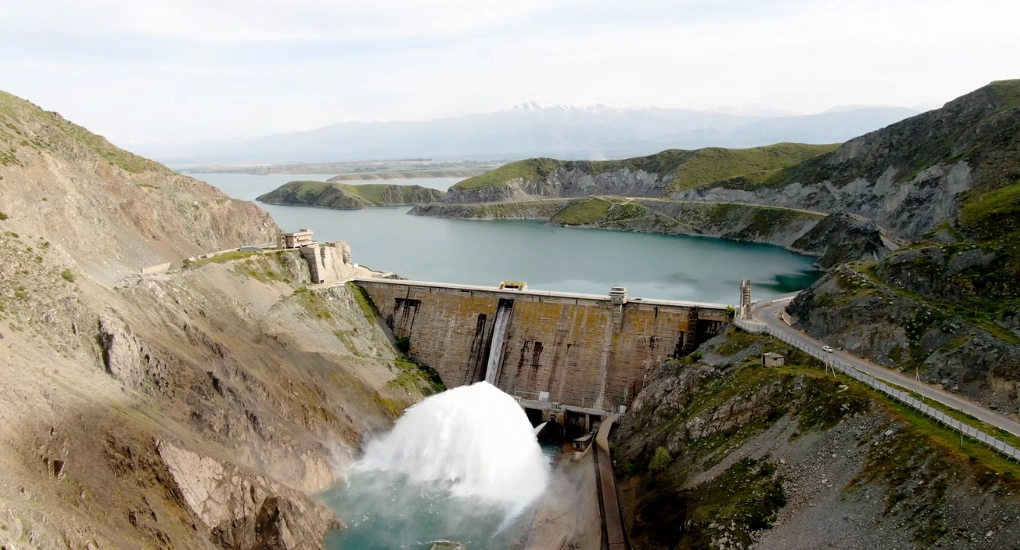
Energy-intensive businesses face rising expectations from customers, investors and regulators. Hydropower, solar and other renewable sources provide a practical route to dependable electricity with a smaller environmental footprint.
How industry is changing
Companies are increasingly integrating renewable power into long-term operational planning. The transition is creating several important shifts:
- More stable long-term energy costs
- Reduced exposure to fossil-fuel volatility
- Improved environmental and ESG performance
- New investment in efficient equipment and storage
- Stronger relationships with communities and stakeholders
The strongest energy transition strategies combine reliable renewable generation with careful planning, transparent measurement and continuous improvement.
Key implementation challenges
Renewable projects must address grid capacity, local environmental conditions, land agreements and seasonal variations. Good development starts with rigorous technical assessment and continues through transparent construction and long-term monitoring.
Nepal’s opportunity
Nepal has exceptional renewable resources, especially hydropower. Responsible development can strengthen the national grid, expand industrial opportunity and create durable value in the regions where projects operate.
The road ahead
Advances in monitoring, energy storage and predictive maintenance are making clean-energy systems more reliable. Businesses that combine renewable generation with smarter energy management will be better positioned to grow sustainably.
Key takeaways
- Build energy strategy around reliability as well as emissions reduction.
- Invest in transparent environmental and performance measurement.
- Work with communities and regulators from the earliest project stages.
- Treat renewable energy as long-term infrastructure, not a short-term initiative.